Bedding checklist
What Accessories Do You Need for a Queen-Size Bed?
A well-made bed begins with the right dimensions, not a pile of extras. For a queen-size setup, the essentials are straightforward: properly fitted sheets, pillows that suit your sleep preferences, and a mattress protector that matches your mattress. Optional layers can add softness or cushioning, but each should serve a clear purpose.
The queen bed occupies a useful middle ground: roomier than a full, more compact than a king, and common enough that bedding is widely available. But “queen” on a package does not guarantee a perfect fit. Mattress depth, pillow preferences, material choices, laundry habits, and the construction of the bed all affect what belongs in the final setup. A short checklist can prevent the familiar disappointment of a fitted sheet that slips off or a protector that pulls tight at the corners.
Think of the bed as a small system. Sheets form the layer closest to the body. A protector helps shield the mattress from spills, dust, and everyday wear. Pillows support the head and neck, while a pad or topper may change the surface feel. The goal is not to collect every accessory; it is to choose the layers that fit the mattress and the way the bed is used.
The essential queen-size bed accessories
For most households, a practical starting list includes the following:
- A fitted sheet labeled for queen dimensions and deep enough for the mattress and any layers beneath it.
- A flat sheet in queen size, if you use one as a separate layer between yourself and a blanket or duvet.
- Pillows selected for your preferred sleeping position, comfort, and desired loft.
- A mattress protector sized to the mattress, with suitable depth and the level of spill protection you need.
- Optional additions such as a mattress pad or topper, chosen for a specific comfort or care purpose.
Before buying, note the mattress dimensions and height, then check each product’s stated fit. If the bed already has a topper or thick pad, include that layer when checking the depth required for sheets and protectors.
1. Sheets: start with size and mattress depth
A standard queen mattress is commonly about 60 inches wide and 80 inches long, though it is worth measuring the bed rather than relying on the label alone. A fitted sheet must accommodate those surface dimensions and wrap around the mattress securely. Its pocket depth—the amount of fabric available to cover the sides—matters just as much as the width and length.
Measure from the mattress’s base to its highest point. If a mattress pad or topper will remain on the bed, measure over that layer too. Then compare the total height with the fitted sheet’s stated pocket depth. A sheet that is too shallow may pull loose overnight; one that is excessively deep can bunch and feel untidy. Elastic placement and fabric stretch also influence how securely it stays in place.
A flat sheet is optional, but it can make a bed more flexible. Some sleepers prefer a separate washable layer beneath a duvet or blanket; others skip it to simplify laundering and bed-making. If you use one, choose a queen-size flat sheet and consider how much coverage you want at the sides and foot of the bed.
Material is a matter of preference and routine. Cotton is a familiar option, with feel and breathability varying by weave and finish. Other fabrics may feel smoother, warmer, or more lightweight. Read care labels before choosing: an appealing sheet that requires a laundry routine you cannot maintain may not be the most practical one for everyday use.
2. Pillows: match support to the sleeper
The right pillow is not determined by bed size. Its loft, firmness, shape, and fill should suit the sleeper’s preferred position and comfort needs. A queen bed can accommodate different pillow arrangements, but the useful question is how many pillows are actually needed for sleeping, not how many will fill the head of the bed.
Side sleepers often look for enough loft to fill the space between the shoulder and head, while back sleepers may prefer a lower or more moderate profile. Stomach sleepers may find a flatter pillow more comfortable. These are starting points, not rules: body shape, mattress firmness, and personal preference all affect how a pillow feels. If a pillow leaves the neck feeling strained or is difficult to settle into, its height or firmness may not be a good match.
Pillow materials offer different kinds of support. Molded latex tends to feel resilient and holds its shape; down and down-alternative fills are more compressible and can often be adjusted by fluffing. Foam constructions may contour or maintain a more consistent profile, depending on their design. A shaped contour pillow has a particular form that some sleepers may appreciate, but it is not a universal solution.
Check whether a pillow has a removable, washable cover and whether its insert has special care requirements. A pillow protector can provide another washable barrier, especially when the pillow itself cannot be machine washed. Replace or refresh pillows according to their condition and care guidance rather than assuming every fill has the same useful life.
3. A mattress protector: practical protection beneath the sheets
A mattress protector sits between the mattress and the fitted sheet. Its role is to help limit exposure to spills, perspiration, dust, and ordinary wear. The right choice depends on the risks in the room and the mattress’s care instructions. A waterproof design may be useful where spills are a concern; a breathable protector may suit someone who wants a lighter layer and does not need full liquid protection.
Fit is essential. Confirm that the protector is made for a queen mattress and check its maximum depth. Measure the mattress with any permanent topper or pad in place, then compare that total with the protector’s pocket or skirt dimensions. A protector that is too small can strain at the corners or shift; one that fits poorly may wrinkle beneath the sheet.
Comfort and noise also deserve attention. Some protectors add little noticeable texture, while others may change the surface feel. Product details can clarify whether the material is designed to be quiet, flexible, breathable, or waterproof. No single description guarantees how a layer will feel on every mattress, so consult the manufacturer’s specifications and return terms when purchasing.
Care instructions determine how easy protection is to maintain. Check whether the protector is machine washable, what temperature is permitted, and whether it must be line dried or can go in a dryer. Avoid care methods that conflict with the label: heat, bleach, or fabric softener can affect certain materials and coatings. If the mattress itself has specific cleaning restrictions, keep those instructions available too.
4. Mattress pads and toppers: optional, with different jobs
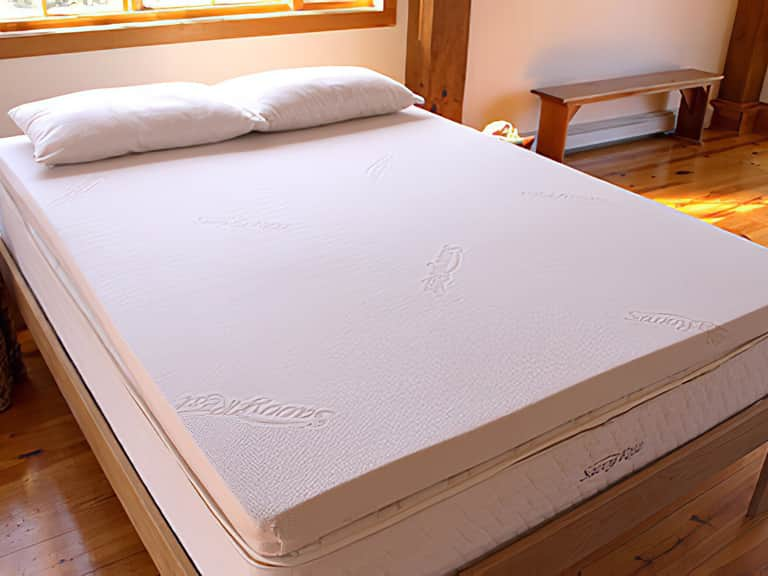
The terms “pad” and “topper” are sometimes used loosely, but the layers can serve different purposes. A mattress pad is generally a relatively modest layer that may provide light cushioning or a washable surface. A topper is often thicker and intended to make a more noticeable change to the mattress’s feel. Product construction varies, so read the specifications rather than judging by the name alone.
Consider adding a pad if you want a lightly cushioned layer or an additional surface that can be removed for care. Consider a topper if the mattress feels firmer than you prefer and you want to alter its cushioning. A topper is not a substitute for a mattress that is damaged or fundamentally unsuitable, and it cannot correct every support problem. It also adds height, which can affect fitted-sheet depth and protector fit.
Materials have different characteristics. Cotton-filled pads can add a soft, breathable layer. Wool is used in some bedding for its moisture-managing and temperature-regulating qualities. Latex toppers are resilient and can provide a buoyant, cushioning feel. Memory foam is known for closer contouring, though individual products differ in density and response. Consider the material, thickness, cover, and cleaning requirements together.
If a mattress simply feels too firm, a three-inch latex option such as the Savvy Rest Vitality Latex Mattress Topper may be relevant to compare. Its listed construction is a three-inch layer of soft natural Talalay latex in an organic cotton stretch-knit casing. As with any topper, verify the available size, compatibility, and care details before deciding, and remember that adding a layer will change the total bed height.
A simple order for making the bed
Putting the layers on in the right sequence can make fit checks easier. Begin with the mattress and any topper or pad that will stay in place. Add the protector over the full surface, smoothing the corners and sides. Fit the fitted sheet over the complete stack, then add a flat sheet if you use one. Finish with pillows and blankets or a duvet.
- Measure the mattress, including the height of permanent comfort layers.
- Place the pad or topper directly on the mattress if you have chosen one.
- Fit the mattress protector and check that it lies flat without excessive tension.
- Pull the fitted sheet over the mattress and all underlying layers.
- Add the flat sheet, if desired, followed by the pillows and top bedding.
- Check the corners after a night’s use; movement may reveal a sizing or fit issue.
If a layer shifts repeatedly, first check that it is oriented correctly and that its dimensions match the mattress. A loose or poorly sized item may not become secure simply by adding another layer over it.
How many pillows and sheets should you buy?
A queen bed does not require a fixed number of pillows. Start with the pillows needed for sleep, then add decorative cushions only if they suit your routine and storage space. Extra pillows can be useful for reading or lounging, but they should not crowd the bed or make nightly setup inconvenient.
For sheets, one complete set is enough to make the bed, but a second set makes laundry days easier. A spare fitted sheet can be especially useful when a spill or unexpected wash means the bed needs to be remade before the first set is dry. Match replacement pieces carefully: nominally similar colors and fabrics can differ between product lines.
A spare protector or pad is not essential for every household. It may be practical if the current one is being washed or if the bed is used frequently. Prioritize the items you can care for and store comfortably instead of buying multiples by default.
Choosing materials and care routines
Materials influence comfort, maintenance, and how a bed handles heat or moisture. The label can tell you what a product is made from, but construction and finishing also matter. Look for straightforward specifications: shell fabric, fill, waterproof layers, certifications if relevant, and clear washing instructions. A broad claim such as “natural” or “cooling” is less useful than a precise description of materials and care.
A practical routine is to wash sheets and pillow covers according to their labels and to clean protectors and pads as needed. The appropriate frequency depends on use, household needs, and the manufacturer’s guidance. Allow washable layers to dry fully before putting them back on the bed, especially where thick fills or waterproof membranes may retain moisture.
Do not assume every accessory can be washed in the same way. A removable cotton cover may be washable while the insert requires spot cleaning. Latex, wool, foam, and coated waterproof fabrics can have specific handling requirements. Keep care labels or product instructions accessible so that cleaning does not shorten the life of a useful layer.
Common queen-bed setup mistakes
- Buying by bed label alone: A queen-size mattress can vary in height, and added layers increase the depth sheets must cover.
- Forgetting the topper: Measure the complete setup, not just the bare mattress, when choosing a fitted sheet or protector.
- Confusing a pad with a topper: Their thickness and effect on surface feel can differ substantially.
- Choosing a pillow only by material: Loft, shape, and sleeping position matter alongside fill.
- Skipping care details: A layer that cannot be cleaned in a way that suits your routine may be inconvenient to maintain.
- Adding accessories without a purpose: Every layer changes fit, feel, or upkeep; choose additions that solve a real need.
Queen-size bed accessories checklist
- Measure mattress width, length, and depth.
- Include the height of any pad or topper that will remain on the bed.
- Choose queen fitted sheets with adequate pocket depth.
- Decide whether a flat sheet fits your preferred bedding routine.
- Select pillows according to sleep position, preferred loft, and care needs.
- Choose a queen mattress protector with the right depth and protection level.
- Add a pad or topper only if you want extra cushioning or a different surface feel.
- Check product labels for washing, drying, and compatibility instructions.
The takeaway
A comfortable queen bed does not depend on an elaborate collection of accessories. Start with a fitted sheet that matches the mattress’s full depth, add pillows that feel appropriate for the way you sleep, and use a protector suited to your protection and care priorities. A flat sheet is a matter of preference; a pad or topper is an optional adjustment, not a requirement.
Measure first, compare specifications, and keep care instructions in mind. Those small checks make the difference between a stack of bedding that looks right in the package and a setup that fits, stays in place, and works with everyday life.