Understanding Organic Mattress Materials: A Brand-Focused Guide to Healthier Sleep
A Time magazine–inspired exploration of how organic materials, certifications, and brand choices shape the sleep you deserve—featuring practical shopping angles and a curated look at trusted names.
In an era when consumers increasingly demand transparency and sustainability, the mattress industry has responded with a proliferation of organic materials, certifications, and brand promises. The phrase “organic mattress” is more than a marketing label; it signals a set of standards designed to reduce chemical exposure, support ethical farming practices, and promote long-term health. Yet with dozens of competing claims, how does a thoughtful shopper discern value, safety, and comfort without becoming overwhelmed?
This primer offers a brand-focused lens on what makes a mattress truly organic, how certifications work, and what questions to ask retailers and manufacturers. We’ll spotlight well-known brands from the market and illustrate how these materials influence comfort, durability, and sleep health. Along the way, you’ll find a practical checklist to compare options such as Naturepedic, Savvy Rest, Obasan, Casper, and a standout latex-free option from Savvy Rest that many sleep enthusiasts appreciate for its breathable, chemical-free construction.
Readers will also encounter a tangible product reference that embodies the premium, organic ethos: the Vispring Opulence Mattress Topper, a luxurious example of natural fillings and careful craftsmanship that illustrates how organic material choices extend beyond the core mattress to enhance sleep experience at the top layers of the bed.
What makes a mattress organic—and why certifications matter
An organic mattress goes beyond using natural fibers. It emphasizes responsible sourcing, controlled processing, and verified low-toxicity finishes. The backbone of trust here are certifications—independent verifications that a product’s materials meet specific environmental and health standards. When you see certifications such as GOTS (Global Organic Textile Standard) for organic cotton and GOLS (Global Organic Latex Standard) for natural latex, you’re looking at a documented commitment to organic content, processing standards, and social responsibility.
Yet certifications are only as meaningful as the integrity of the supply chain behind them. A mattress can advertise organic cotton while using non-organic foams in other layers, or it can blend organic wool with synthetic fibers. The best brands publish the full material breakdown and provide transparent sourcing stories that connect the consumer to the farm, mill, and factory where the components originate. In short, certification is the map; traceability is the compass.
From a historical view, the growth of organic materials in bedding mirrors broader shifts in consumer health awareness and environmental stewardship. Early advocates pushed for chemical-free sleep surfaces, and the market responded with layered products that pair organic farming with safer processing—delivering comfort without compromising the planet.
Material deep dive: natural latex, organic cotton, and wool
Natural latex stands out for its resilience and buoyant support. Sourced from rubber trees, often through cooperative farming models, latex can offer steady zoning of pressure points and lasting elasticity. When labeled organic latex, the emphasis is on non-synthetic stabilizers, gentle vulcanization processes, and minimal processing for a material that breathes well and resists mold and dust mites.
Organic cotton provides a breathable, soft, and non-irritating shell for mattresses and components like covers and fillings. Its cultivation emphasizes non-pesticide-grown fibers, responsible water use, and fair labor practices. Cotton’s comfort also enhances moisture management, which contributes to a cooler, more comfortable night.
Wool, especially when sourced as organic or recycled, offers natural temperature regulation. Wool fibers can wick moisture away from the body while maintaining a sense of temperature neutrality. This makes wool-based layers particularly appealing for sleepers who experience night sweats or prefer a drier, cushioned sleep surface.
When these materials are combined—organic cotton covers, natural latex cores, and organic wool finishing layers—you get a mattress that not only supports the body but also aligns with a health-conscious, environmentally aware mindset. The synergy among these components is what many brands tout as a holistic sleep solution rather than a mere product feature.
Brand perspectives: navigating trust, quality, and value
To illuminate practical pathways through the market, we spotlight several brands with clear commitments to organic materials and transparent certifications. Each brand offers a distinct approach to composition, production practices, and consumer education. Here are representative profiles that readers may encounter in a thoughtful shopping journey:
- Naturepedic — A pioneer in the organic mattress space, Naturepedic is renowned for its rigorous use of certified organic cotton, wool, and innovative non-toxic materials. The brand emphasizes a transparent bill of materials and a commitment to allergy-friendly sleep surfaces. Naturepedic’s products frequently feature certifications like GOTS and GOLS, and the company has been a respected voice in the organic movement for decades.
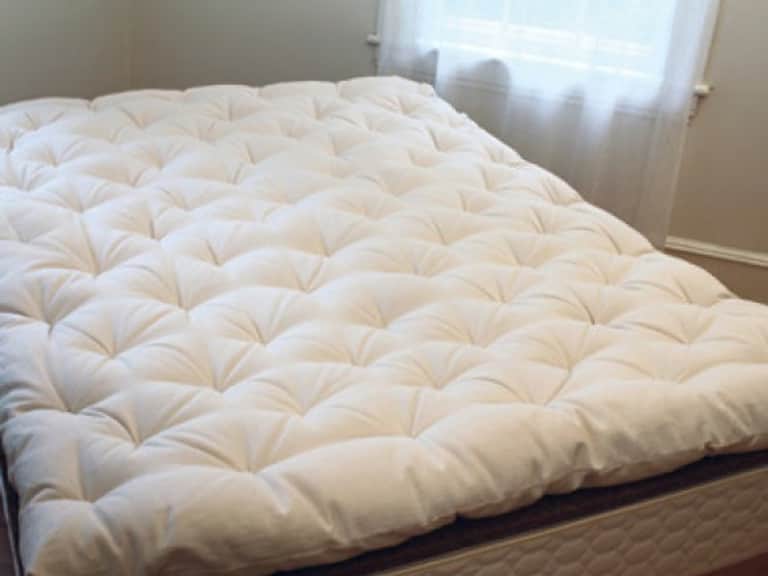
- Savvy Rest — Known for latex-free options and a focus on organic wool and cotton, Savvy Rest mirrors a consumer-first design approach. Their pastoral wool mattress, for example, uses GOTS-certified organic wool batting within a tufted organic cotton cover, offering a latex-free choice that appeals to sleepers seeking chemical-free comfort with breathable warmth.
- Obasan — This brand blends organic materials with meticulous craftsmanship, frequently highlighting natural fibers and careful, low-VOC finishing processes. Obasan’s emphasis on organic and natural components positions it as a strong option for shoppers prioritizing sustainability alongside comfort.
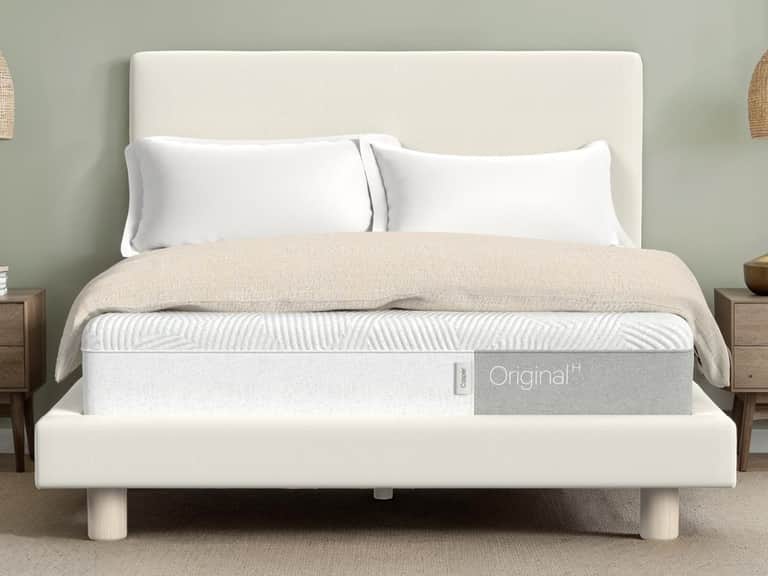
- Casper — While Casper is widely recognized for its consumer-first direct-to-consumer model and hybrid configurations, its approach to materials often emphasizes airflow and comfort. While not exclusively organic, Casper’s product lines illustrate how mainstream brands integrate breathable foams and fabrics with design-for-sleep ergonomics.
Shopping angles: questions to ask retailers and a quick certification checklist
When evaluating organic options, ask retailers for a full material breakdown and the specific certifications applicable to each component. Helpful questions include:
- Which layers are certified organic, and which certifications apply to those materials (GOTS, GOLS, Oeko-Tex, etc.)?
- Are there any synthetic foams or adhesives used in the construction? If so, what are their formal specifications and potential off-gassing timelines?
- Can you provide the supply chain map for the core materials, from farm to finished product?
- Is the cotton, wool, or latex treated with finishes or flame retardants? If yes, what are the chemicals involved and their safety data?
- How does the material choice affect warranty terms and durability expectations?
A practical certification checklist can help you compare options quickly. Consider verifying:
- Organic content approval and third-party verification status
- Low-VOC finishes and adhesives usage
- Ethical and sustainable farming or production practices
- Clear labeling of all material inputs and any potential allergens
Practical buying guide: how to compare brands like Naturepedic, Savvy Rest, Obasan, Casper
Comparing brands requires matching your comfort preferences with material integrity. Start with a quick map of what matters to you: firmness level, cooling properties, off-gassing expectations, and maintenance needs. The following shortcuts can help you triangulate a decision quickly:
- Firmness and support: Organic latex cores tend to provide buoyant support with resilience, while wooly or cotton-based layers contribute to breathability and temperature regulation.
- Temperature neutrality: Wool layers and breathable cotton covers often promote cooler sleep surfaces, especially when paired with well-ventilated latex or coil systems.
- Care and longevity: Organic materials can be durable if well-constructed, but they may require mindful care to preserve fiber integrity over years of use.
- Certifications: Prioritize products with transparent, third-party certifications to minimize misrepresentation and protect your health considerations.
A brand spotlight: Vispring Opulence Mattress Topper as a case study
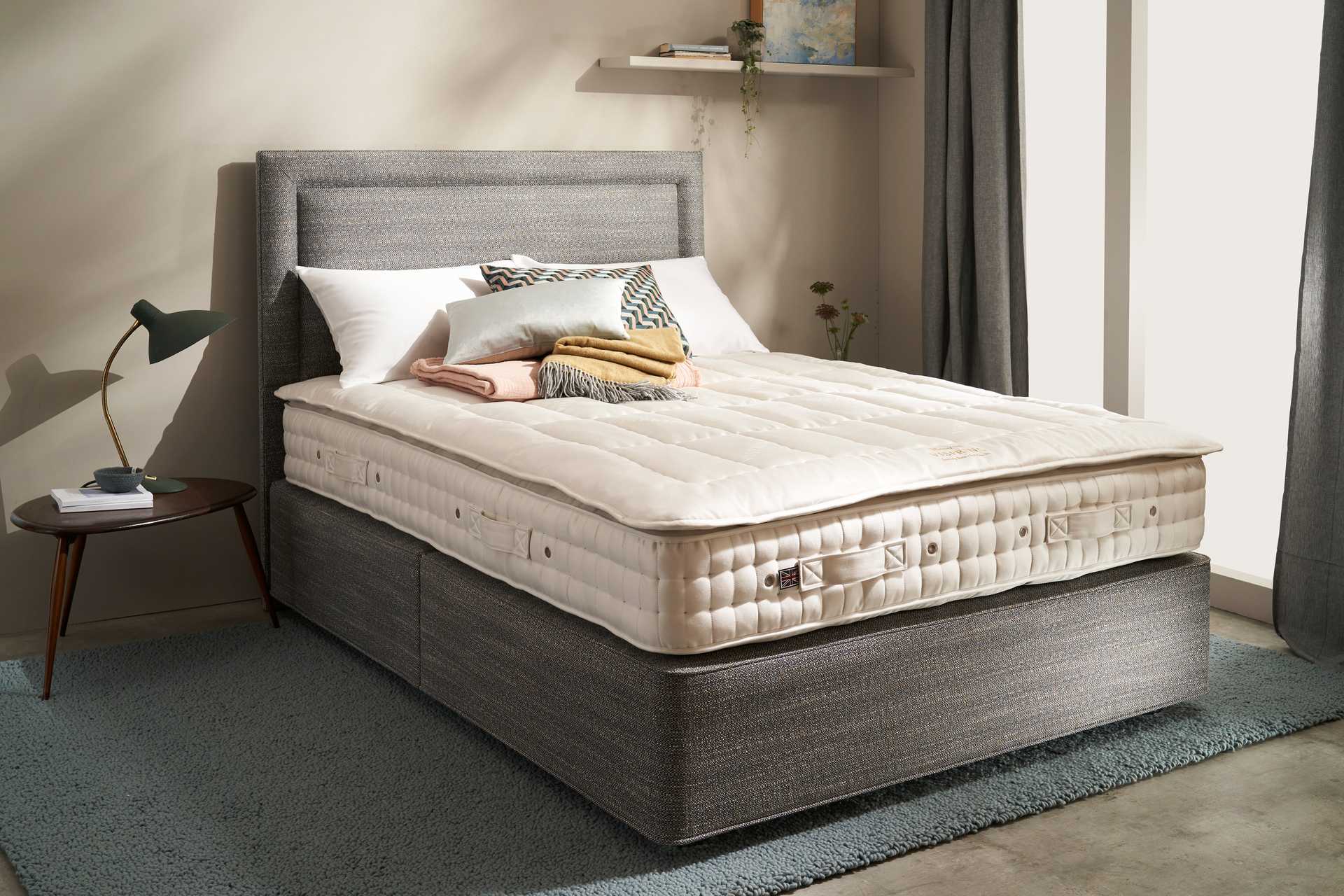
Even among the luxury tier, organic materials play a pivotal role in shaping sleep experiences. The Vispring Opulence Mattress Topper exemplifies how premium natural fillings—platinum-certified British fleece wool, soft-needled British wool, and silk—coalesce into a sleeping surface that prioritizes temperature regulation, cushioning, and trusted craftsmanship. Though a topper and not a full mattress, its construction illuminates broader themes: wool’s warmth management, silk’s cushioning, and the secure retention of the topper via multiple straps. In this case, the price tag signals a market where organic and natural components are not merely preferred, but essential to the product identity.
For shoppers, Vispring’s approach demonstrates how organic materials can be scaled into accessory layers that augment comfort while reinforcing material purity in the core system. It also underlines an important consideration: even in premium products, the relationship between materials, fit, and performance is a dynamic that must be tested through experience and expert guidance.
As you evaluate a topper—or any organic product—remember that the standard for “organic” lies in the integrity of the supply chain and the alignment between the brand’s promises and the consumer’s lived experience.
Example product reference

Vispring Opulence Mattress Topper
Opulence topper crafted with wool, silk, and premium fillings. Height around 3.1 inches; four secure straps to hold in place.
Key materials: Platinum-certified British fleece wool, soft-needled British wool, silk.
Putting it all together: a practical, library-style approach to organic materials
For readers who want to approach organic choices with a library-like precision, imagine the mattress category as a curated collection of components with defined provenance. The core mattress dream is built from carefully sourced materials, while topper, cover, and pillow selections extend that ecosystem. With a clear set of certifications and a preference for transparent naming, you can assemble a sleep surface that aligns with your health goals, comfort preferences, and ethical values.
The recommended strategy is to build your understanding from the ground up: learn the material properties, verify the certifications on every element, compare brand narratives, and test the experience through a risk-managed trial. The ultimate payoff is a sleep surface that feels tailor-made for you—sustainable, trustworthy, and undeniably comfortable.
In the end, the organic mattress conversation is as much about brand responsibility as it is about personal well-being. When brands disclose their supply chains, honor third-party certifications, and commit to safer processing practices, consumers gain confidence—and the bed becomes a better place to dream.
Date: 2026-09-30