Mattress toppers provide an additional layer of comfort and support to standard mattresses, influencing spinal alignment and pressure distribution. They come in various materials, including memory foam, latex, and natural fibers, each with distinct response times and durability. Understanding core features helps select a topper that supports restful sleep and prolongs mattress life.
Key characteristics to consider include thickness, density, and fill material. Thicker toppers offer more contouring and cushioning, while higher density foams resist sagging and maintain shape longer. Natural fibers and organic options appeal to sleepers seeking breathable, hypoallergenic surfaces that regulate moisture and temperature.
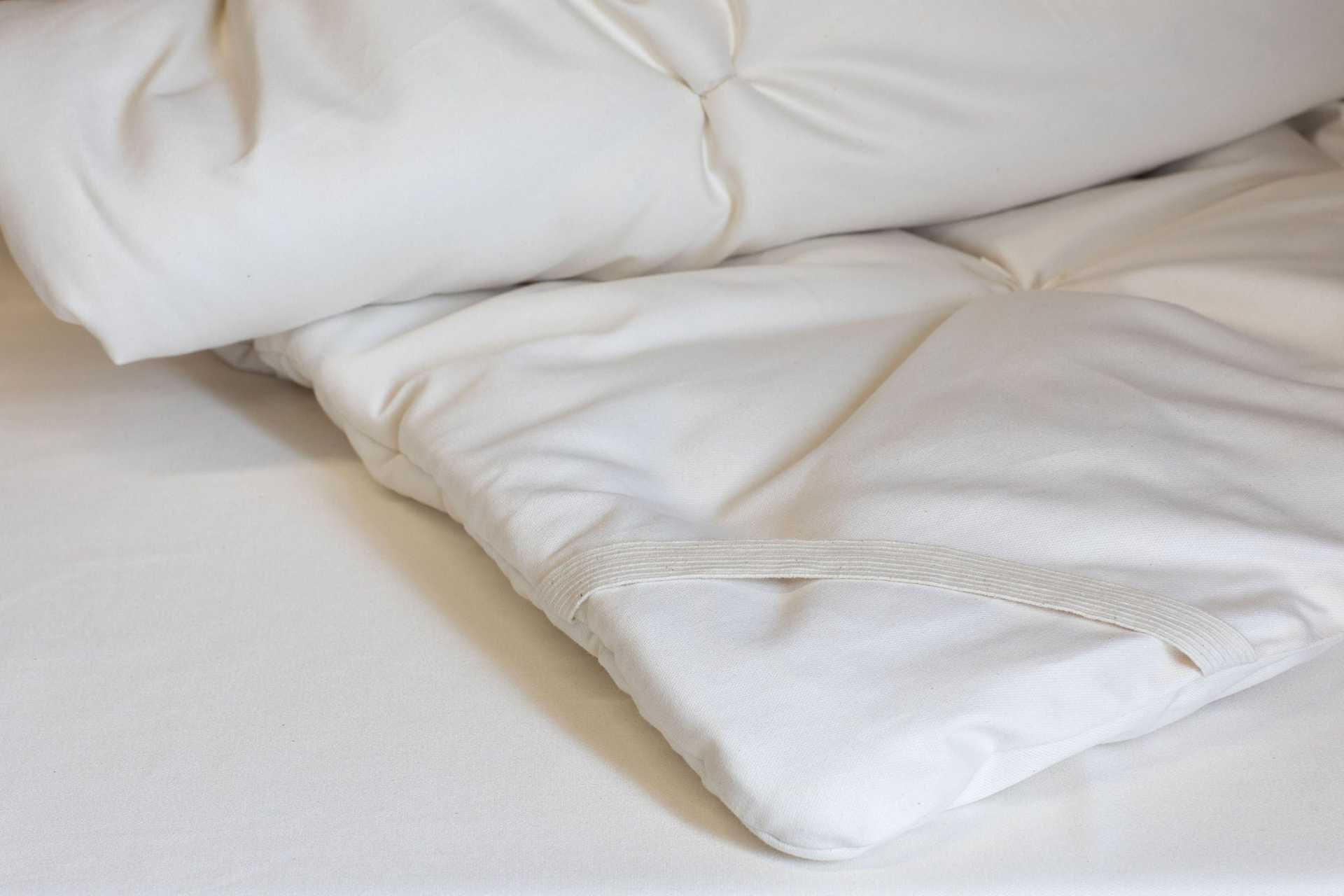
The Natural Child's Crib Mattress Topper exemplifies how toppers can adapt to specialized beds. It integrates safe, non-toxic materials with appropriate firmness for infants, providing a gentle transition from crib to toddler sleeping environments. Functional benefits include improved surface evenness and cushioning to reduce pressure points during sleep.
For versatility, consider toppers with removable covers and moisture-wicking or washable fabrics. Memory foam pillows and sheets often complement toppers by stabilizing temperature and improving overall sleep hygiene. In form, toppers may feature anti-slip bases or stretchable covers to keep the layer securely positioned on the mattress.
Understanding compatibility with existing bedding, such as organic mattresses and breathable bedding options, helps ensure long-term comfort. When evaluating products in this category, focus on care requirements, such as cleaning instructions and material sustainability, alongside performance attributes like contouring, resilience, and resilience-to-temperature regulation.
 Bedding